


How to Reduce Wire Harness Costs Without Compromising Quality: 7 Practical Strategies
The most reliable way to reduce wire harness costs is to remove avoidable complexity before production begins. Simpler circuits, standardized materials, better order planning, controlled assembly, and early testing can lower total cost without weakening electrical performance or field reliability. The goal is not to choose the cheapest component in isolation, but to control the full cost of design, production, logistics, quality, and service.
For teams developing a new cable assembly, Huajunxin provides wire and cable manufacturing, terminal wire processing, wiring harness assembly, DC power cables, sensor wires, and signal cable solutions for different application requirements.
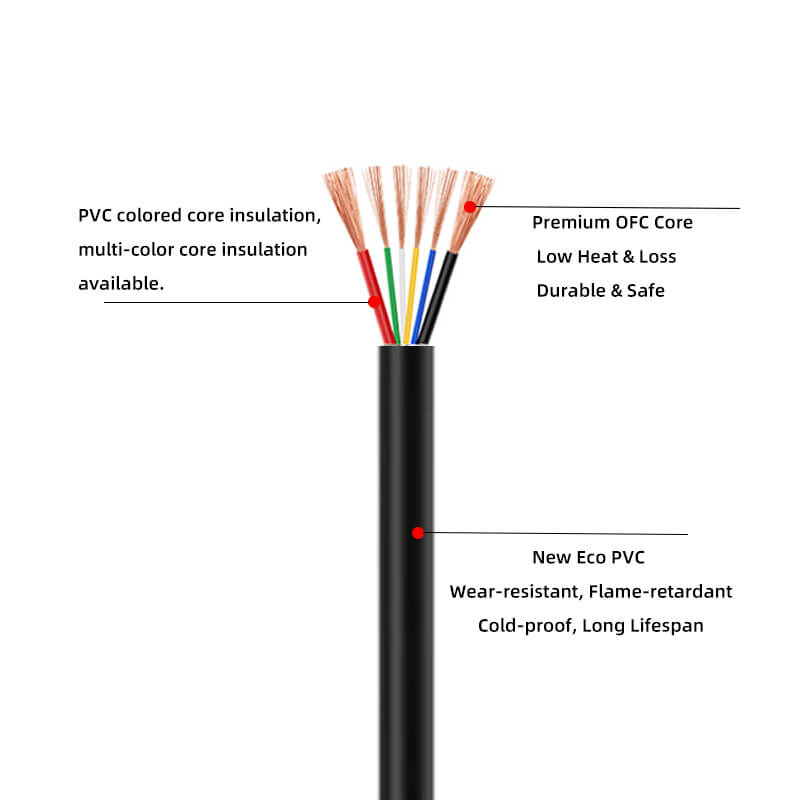
Start With Wire Harness Design
Design decisions often create more cost than the final assembly operation. Every extra branch, connector family, special terminal, unusual wire length, or difficult routing requirement can add material handling and labor. A cost-reduction review should therefore begin with the drawing and bill of materials, not with a request to reduce the supplier’s unit price.
Simplify circuits and connector variety
Review whether related circuits can share a common branch, whether every connector is necessary, and whether several interfaces can use a controlled connector family. The design still has to meet current, voltage, temperature, sealing, vibration, and service requirements. Simplification is useful only when it removes unnecessary variation without transferring risk to installation or maintenance.
Use DFM before sampling
Design for manufacturability can identify difficult strip lengths, awkward crimp orientations, excessive crossing, tight bend zones, and assembly steps that require manual correction. Solving these issues before the first article reduces the chance of repeated samples, slow assembly, and rework during volume production.
Standardize Wire Gauges and Materials
Material standardization is one of the most practical ways to lower custom wire harness cost. A product family that uses many wire gauges, insulation types, terminal styles, and connector suppliers creates more inventory and more opportunities for picking errors.
Reduce unnecessary wire gauge variation
Start with the actual electrical and mechanical requirements. Current capacity, allowable voltage drop, temperature rise, flexing, abrasion, available space, and termination compatibility should determine the wire gauge. Where several circuits have similar requirements, a controlled range of gauges can simplify material planning without forcing every circuit into one specification.
Create an approved alternatives list
A controlled alternatives list can cover wire, terminals, seals, and connector housings that meet the same application requirements. Any replacement should be reviewed for fit, crimp compatibility, insulation behavior, environmental exposure, and test requirements. A cheaper material that creates new tooling, testing, or field failures is not a real saving.
Plan Volume Without Creating Excess Inventory
Order planning affects unit cost, production stability, and working capital at the same time. Stable demand may support consolidated releases or scheduled production, while uncertain demand may require smaller batches and a more flexible material plan.
Consolidate stable demand
When the design and demand forecast are stable, combining production requirements can reduce repeated setup, material preparation, and changeover activity. It can also make common materials easier to manage. The right decision depends on demand visibility and product life cycle, not simply on ordering the largest possible quantity.
Balance minimum order quantity and risk
A lower unit price may be offset by obsolete stock, engineering changes, slow-moving finished harnesses, or storage requirements. Compare the expected material savings with inventory exposure, especially for products that are still being validated or frequently revised.
Reduce Packaging and Logistics Waste
Packaging and logistics are easy to overlook because they do not appear in the wire harness drawing. However, the shipping format affects handling time, usable warehouse space, protection against tangling, and the amount of preparation required before assembly.
Match the package to the assembly stage
Coils or cut-length cable can be suitable when the receiving team completes downstream processing. Finished harnesses need packaging that protects connectors, terminals, seals, and branch geometry. The best format is the one that reduces total handling while keeping the product organized and protected.
Control hidden handling costs
Review carton size, inner separation, labeling, pallet use, and the number of times a harness is moved before installation. A compact, repeatable package can reduce damage and shorten receiving and line-side preparation without changing the electrical design.
Lower Rework Through Early Quality Control
Quality control is a cost-reduction activity when it prevents repeated assembly and field correction. The most useful controls are placed at the points where an error is easiest to detect and least expensive to correct.
Confirm drawings and first articles
Before volume production, confirm wire colors, circuit positions, connector orientation, terminal locking, branch lengths, stripping, tinning, labels, and installation direction. A first article should be checked against the current drawing and the actual mating parts, not only against a previous sample.
Use in-process and final testing
Continuity testing, short-circuit checks, visual inspection, crimp review, and dimensional checks can identify defects before a harness reaches the next operation. The exact test plan should match the product risk. A simple harness may need a focused continuity check, while a sealed automotive assembly may also require close attention to terminal retention, sealing, and routing features.
For applications exposed to moisture, vibration, or engine-compartment conditions, the automotive connector harness approach combines connector selection, outlet sealing, terminal protection, and cable customization. These details show why reliability requirements must remain part of any cost review.
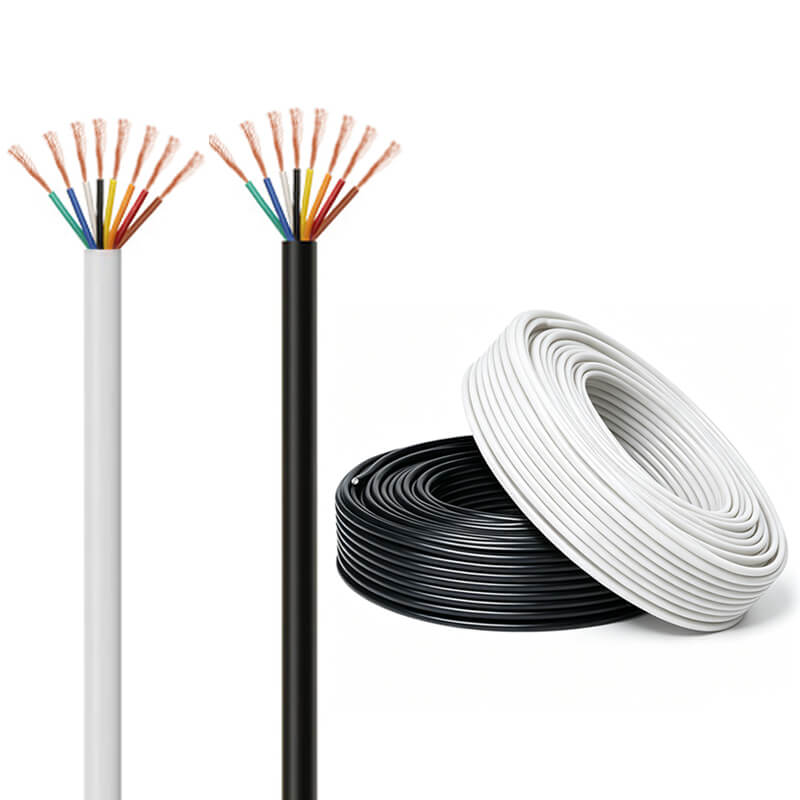
Build Modular Harness Platforms
Companies with several related products can reduce repeated engineering work by separating common harness modules from application-specific branches. A shared trunk, connector family, or mounting concept may serve multiple products while only the final branch changes.
Modularization should be controlled rather than automatic. A common module that adds unnecessary length, extra connectors, adapters, or difficult service access can increase cost. The best platform keeps the repeatable portion common while preserving a short and practical product-specific section.
Choose the Right Customization Model
The working model between the customer and manufacturer also affects engineering time and total cost. OEM projects are usually a good fit when the customer has fixed drawings, materials, and inspection requirements. ODM support becomes more valuable when the customer needs help reviewing structure, materials, connector choices, or assembly details. JDM is suitable when the customer and manufacturer need to collaborate closely on a new or highly customized product. Both parties contribute to product definition, engineering design, testing, and refinement, combining the customer’s application knowledge with the manufacturer’s technical and production expertise.
A clear division of responsibility prevents repeated revisions. Share the application environment, current and voltage, mating components, routing limits, target quantity, testing needs, and delivery schedule at the start. The more complete the input, the less time is spent correcting avoidable assumptions.
Calculate Total Cost Instead of Unit Price Alone
A useful wire harness cost review includes more than copper, insulation, connectors, and assembly. Compare the full cost of material variety, tooling, testing, packaging, freight, inventory, changeovers, rework, installation time, and potential field replacement.
This approach makes trade-offs easier to explain. A slightly higher material cost may be justified if it reduces assembly errors or improves service life. Conversely, a premium feature that does not solve a real application risk may be removed. The best decision is the one that lowers total cost while preserving the required performance.
Conclusion
To reduce wire harness costs without compromising quality, begin with design simplification and material standardization, then improve order planning, packaging, testing, modularity, and project communication. Cost reduction works best as a system: removing complexity early is usually more effective than negotiating over the last part of the unit price.
Huajunxin integrates wire and cable production, R&D, and customization for multiple cable and harness categories. Its product range includes new-energy wiring harnesses, robot and robotic-arm harnesses, terminal wires, DC power cables, waterproof cables, sensor wires, USB cables, audio cables, and signal cables. Available wire materials include PVC, PE, silicone, rubber, braided, shielded, multi-core, electronic, and ribbon cable constructions, allowing cable structure and materials to be matched to different equipment requirements.
For a practical review of a custom wire harness design, contact Huajunxin with the drawing, application conditions, connector requirements, and expected quantity so the cost and reliability decisions can be evaluated together.
FAQ
Q: What is the fastest way to reduce wire harness costs?
A: Start by reviewing connector variety, wire gauge variation, routing complexity, and unnecessary assembly steps. These areas often create repeated material handling and labor. Confirm that any simplification still meets current, temperature, sealing, vibration, and installation requirements.
Q: Does using a thinner wire always reduce wire harness cost?
A: No. Wire gauge must match current capacity, voltage drop, temperature rise, mechanical conditions, and terminal compatibility. An underspecified wire can create overheating, performance problems, or redesign costs. Select the smallest suitable specification only after the application requirements are clear.
Q: How can DFM reduce custom wire harness costs?
A: DFM identifies difficult strip lengths, crimp orientations, branch arrangements, tight bends, and manual operations before volume production. Correcting these issues during design can reduce sampling cycles, assembly time, rework, and production variation.
Q: Should a company choose OEM or ODM for a wire harness project?
A: OEM is suitable when the drawing and material specification are already fixed. ODM is more useful when the customer needs technical input on structure, materials, connectors, or manufacturability. The right choice depends on how much design responsibility the manufacturer is expected to take.
 Address: A203, Building 3, Xinsheng Community, Longgang Subdistrict, Longgang District, Shenzhen, Guangdong Province


