


Finding a reliable custom wire harness manufacturer overseas is not only a purchasing task. It is a technical screening process that must connect the equipment interface, connector selection, wire specification, test method, sample approval, and mass-production control. A low unit price can quickly become expensive if the harness does not fit the equipment, fails in the field, or changes between sample and repeat order.
For first-time buyers, the safest approach is to judge the supplier from evidence rather than from a product photo or a simple quotation. The right manufacturer should be able to read the application, ask precise questions, turn the drawing into a controlled sample, and keep the approved standard stable when production begins.
Start with the Real Sourcing Risk
New Buyers Often Compare the Wrong Details
Many overseas sourcing mistakes begin before a factory is selected. Buyers may compare price, cable length, connector appearance, and sample speed while leaving out the details that decide whether the harness will work inside the finished equipment. Connector fit, pinout, wire gauge, branch direction, strain relief, insulation, shielding, and installation space all need attention before the quotation becomes meaningful.
A custom wire harness manufacturer should not simply accept an unclear request and return a number. The supplier should help identify missing information, confirm the mating connector, and explain where the design may need a drawing, a physical sample, or an application photo. This early communication often reveals whether the supplier is acting like a production partner or only a reseller.
A Product Photo Is Not a Specification
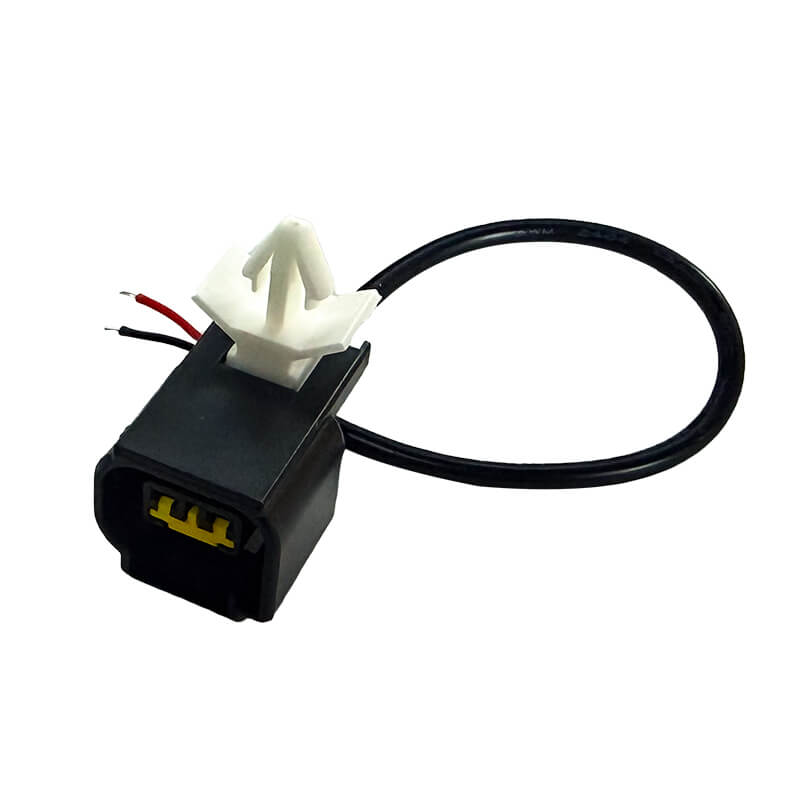
Two wire harnesses can look similar and still behave differently. The terminal plating, crimp height, wire insulation, conductor size, connector locking structure, and overmold geometry may not be visible in a photo. A sample that only matches the appearance can still reverse polarity, loosen under vibration, overheat under load, or create assembly pressure inside the equipment.
For an overseas order, written control matters because the buyer and supplier may not inspect the same sample at the same bench. The drawing, bill of materials, pinout table, test requirements, packaging method, and approved sample should work together as the practical production baseline.
Evaluate the Manufacturer Before the Quote
Check Product Scope and Technical Fit
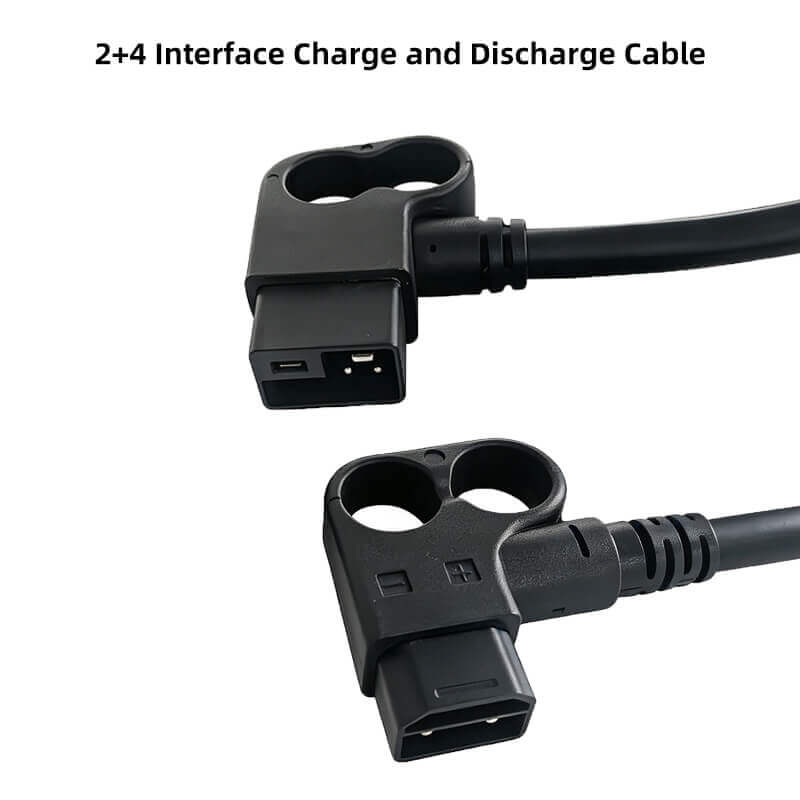
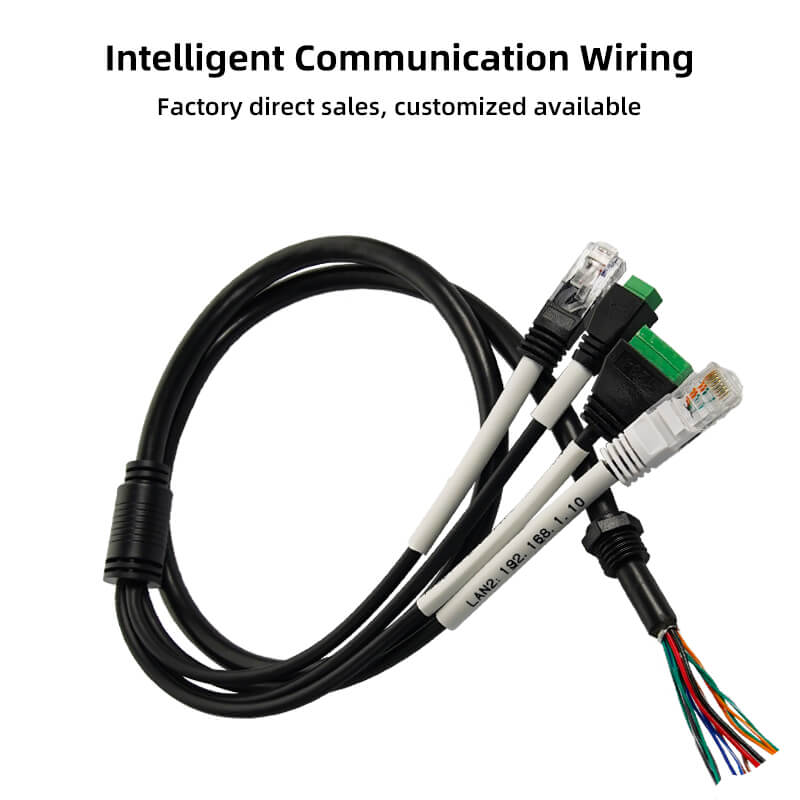
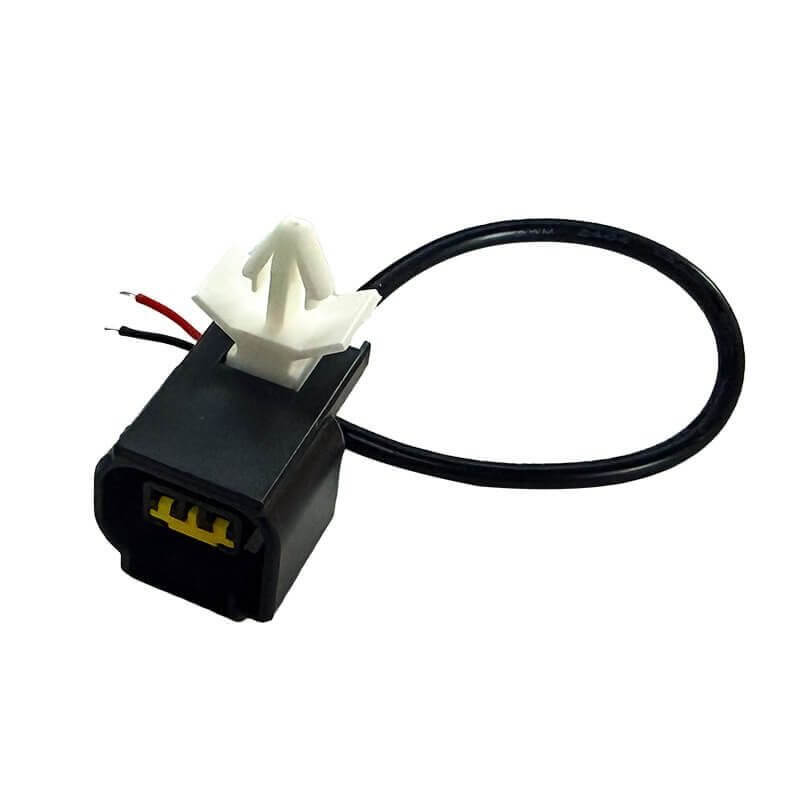
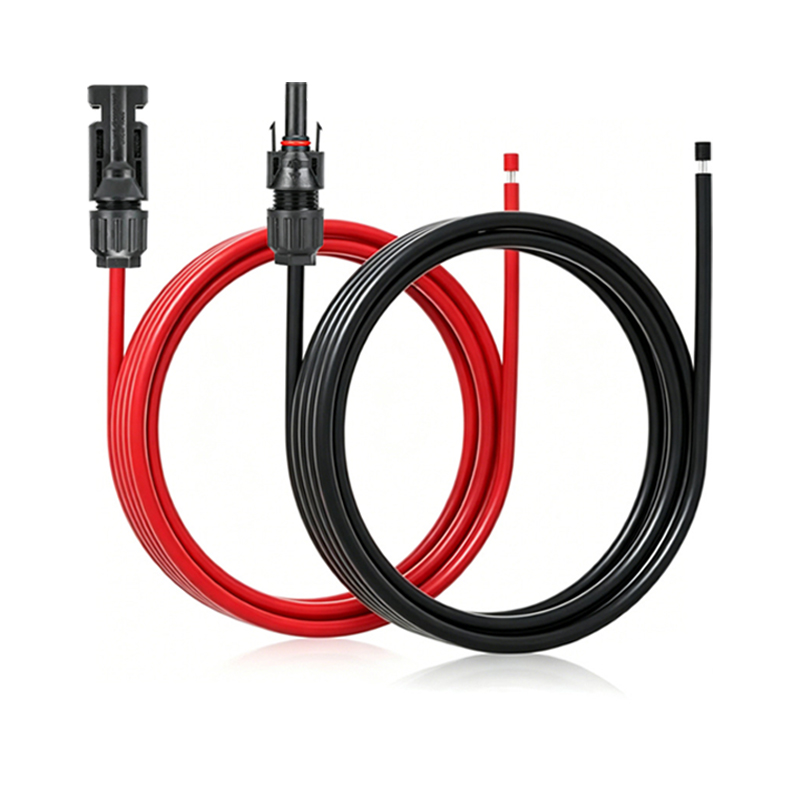
A useful custom wiring harness supplier should have experience with the type of assembly your product needs. Huajunxin‘s product range includes automotive connector wiring harnesses, multi-interface equipment pigtails, composite harnesses, aviation connector extension cables, electric vehicle battery charge and discharge cables, DC power cords, waterproof cables, USB cables, audio cables, sensor wires, and signal cables. This range is relevant when a project combines power, signal, connector, and routing requirements in one assembly.
The buyer should still define the exact project instead of relying on a broad product category. Ask the supplier to confirm connector family, pin count, gender, locking method, cable length, branch layout, wire color, labels, protective sleeving, jacket material, and the working environment. A capable supplier will usually ask for these details before finalizing the quotation.
Review Process and Equipment Capability
Manufacturing capability should be checked through the steps that affect the finished harness. Cutting, stripping, crimping, soldering, terminal insertion, connector assembly, molding, labeling, bundling, and final testing all influence repeatability. If the harness will be used in vehicles, industrial equipment, battery systems, monitoring devices, or outdoor assemblies, the process must match the mechanical and electrical stress of the application.
Ask which operations are handled in-house and which depend on outside partners. Outsourcing is not always a problem, but the supplier must control incoming materials, process records, and final acceptance. When a problem appears, the buyer needs one accountable technical contact who can trace the cause and correct the production standard.
Control Quality Before Production Starts
Use Drawings to Prevent Misunderstanding
The most useful request package includes a drawing or sample, connector information, pinout, voltage, current, polarity, wire gauge, length tolerance, branch dimensions, jacket or insulation requirement, environment, quantity, packaging, and any test requirement. When connector identification is uncertain, photos of the mating equipment and socket can prevent a costly mismatch.
A drawing-based review also helps the supplier identify conflicts. For example, a buyer may request a small connector with a high current load, a short bend radius near a rigid plug, or a waterproof connector without a matching sealed equipment interface. These issues should be discussed before the sample is made.
Ask for Test Records That Match the Application
A basic inspection plan for a custom wire harness may include continuity, polarity, insulation resistance, contact resistance, terminal pull force, crimp appearance, insertion and retention, dimension checks, label position, and visual inspection. For application-specific projects, the plan may also need bending, vibration, waterproofing, temperature, or functional power testing.
The important point is not to collect documents for decoration. Test records should connect to the actual failure risks of the harness. A vehicle-mounted monitoring harness, a battery charge and discharge cable, and a DC power cord for electronic equipment do not need the same approval plan. The supplier should help turn the application into a realistic inspection standard.
Look Beyond the First Sample
Confirm Small Trial Order Conditions
A small trial order can be practical when both sides use it to confirm design, assembly fit, test method, and communication workflow. Buyers should ask about minimum order quantity, sample fee, sample lead time, available connector stock, tooling or molding needs, and what changes would require a new approval sample. The answer may vary by connector, wire material, production process, and order quantity.
Do not treat a fast sample as proof of stable supply. A sample may use available materials, manual assembly, or temporary process settings. Before moving to batch production, confirm whether the same material, same connector, same crimping standard, same mold, and same test method will be used for the order.
Check Batch Capacity and Change Control
Mass production adds risks that are not visible in one sample. The supplier must control material lots, operator instructions, crimping settings, connector orientation, line-side inspection, final test records, and packing. If a substitute terminal, wire, connector, or jacket is proposed, the buyer should receive a written comparison and approve the change before production continues.
Repeat orders should use the same controlled drawing and revision number. This makes it easier to identify whether a later problem came from the harness, the equipment, installation, storage, or an unapproved design change. For overseas sourcing, revision discipline is one of the simplest ways to reduce long-distance communication risk.
Build a Clear Cooperation Process
Define the Project Brief
The first message to a supplier should describe the product use, installation space, electrical load, connector interface, quantity expectation, target schedule, and any required market documentation. A short but complete brief allows the manufacturer to ask better questions and avoid a vague quotation.
If the project is still early, send the available drawing, sample, or equipment photos and ask the supplier to list what information is missing. This keeps the conversation practical and gives the buyer a quick view of the supplier’s engineering communication quality.
Approve the Sample as a Production Standard
Sample approval should include the physical harness, drawing revision, component list, test result, label format, packaging method, and any agreed exception. The approved sample should not be treated as a loose reference. It should become the standard for production, inspection, and repeat orders.
A reliable overseas manufacturer will make the process understandable for buyers who are new to custom harness sourcing. The supplier should translate the technical brief into a sample plan, confirm the risks, and keep communication open when connector availability, tooling, testing, or delivery changes.
Conclusion
A reliable custom wire harness manufacturer overseas should be evaluated through technical communication, drawing review, process capability, inspection discipline, sampling control, batch capacity, and after-sales support. The best supplier is not simply the one with the lowest quote or the fastest first answer. It is the manufacturer that can turn your equipment requirements into a stable harness specification and keep that standard consistent through production. Huajunxin can be evaluated for custom harness and cable assembly projects when the buyer provides drawings, samples, or clear application requirements for review.
Contact Huajunxin to discuss your custom wire harness requirements and request a project evaluation.
FAQ
Q: What information is needed to request a custom wire harness?
A: Provide the connector type, pinout, voltage, current, wire gauge, cable length, branch dimensions, installation environment, quantity, labels, packaging, and test requirements. Photos or a physical sample of the mating equipment are helpful when the connector is difficult to identify.
Q: Can a custom wire harness manufacturer support small trial orders?
A: Small trial orders may be possible, but the conditions depend on connector availability, material, tooling, process complexity, and quantity. Buyers should confirm MOQ, sample fees, lead time, and whether the trial sample will use the same materials and process planned for production.
Q: How should buyers check wire harness quality?
A: Quality should be checked through application-related tests such as continuity, polarity, insulation, terminal pull force, crimp appearance, connector retention, dimension inspection, and functional testing. More demanding environments may also need bending, vibration, waterproofing, or temperature checks.
Q: Why is a drawing important for overseas wire harness sourcing?
A: A drawing records the connector, pinout, length, branch layout, wire color, tolerance, labels, materials, and revision. It gives both buyer and supplier a shared production standard and reduces errors caused by language differences, unclear photos, or memory-based communication.
Q: Can Huajunxin develop a harness from a drawing or sample?
A: Huajunxin offers cable and harness products across power, signal, automotive connector, waterproof, USB, audio, and equipment pigtail applications. Buyers should send the drawing, sample, or application details so the project can be reviewed against the required connector, wire, test, and production conditions.
 Address: A203, Building 3, Xinsheng Community, Longgang Subdistrict, Longgang District, Shenzhen, Guangdong Province


