


A custom automotive wiring harness is more than a cable bundle. It is a connection system designed around power transmission, signal output, sensor feedback, network communication, connector positions, and the real installation space inside a vehicle or equipment housing. The right harness must fit the electrical layout and the mechanical environment at the same time.
For procurement teams and equipment manufacturers, the main points usually appear after installation begins: the interface does not match the device, extra adapters have to be added on site, branches become difficult to fix, connectors loosen under vibration, or low-grade materials fail after heat, oil, friction, and long working hours. These problems not only create technical inconvenience. They can delay assembly, increase troubleshooting time, cause intermittent sensor faults, stop equipment in the field, and raise after-sales service costs.
A reliable custom automotive wiring harness should be assessed from multiple perspectives, such as interface compatibility, connector durability, and the reliability of materials and manufacturing workmanship.
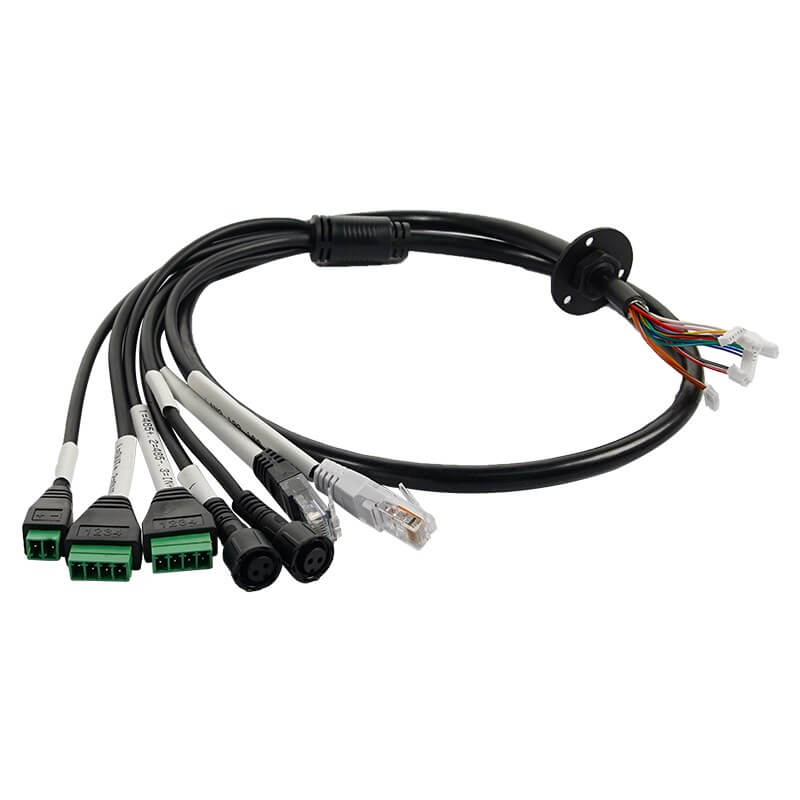
Mistake 1: Planning Interfaces One by One Instead of as a System
One common mistake is choosing a main harness only by checking whether it has a basic power connector. This may seem enough for a simple device, but it becomes limiting when the vehicle terminal or control unit also needs RJ45 network access, an aviation-style waterproof plug, terminal block output, PH2.0 motherboard terminal connections, and external sensor signal output.
1. Only checking connector quantity, not interface logic
A harness may appear complete because it has enough connectors, but the connector direction, branch length, fixing position, and installation sequence may still be wrong. When interface logic is not reviewed as a whole, the installer may need to bend cables sharply, add temporary extensions, or leave branches unsupported inside the housing.
2. Using extra adapters to fix early planning gaps
Adapters can solve a short-term mismatch, but every extra transition point adds contact risk. In vibration-heavy vehicles or machinery, these points may lead to looseness, poor contact, signal interference, or repeated disconnection. The direct loss is longer assembly time, more rework, and more difficult fault tracing when the device has already been shipped or installed.
3. Focusing on cable length while ignoring routing space
Cable length alone does not guarantee a clean installation. If the harness is not planned around the enclosure, mounting points, and service access, the final routing may become messy. This can increase friction wear, make maintenance harder, and create hidden risks when the equipment runs for months under heat and movement.
A Better Approach: Multi-Interface Equipment Pigtail Harness
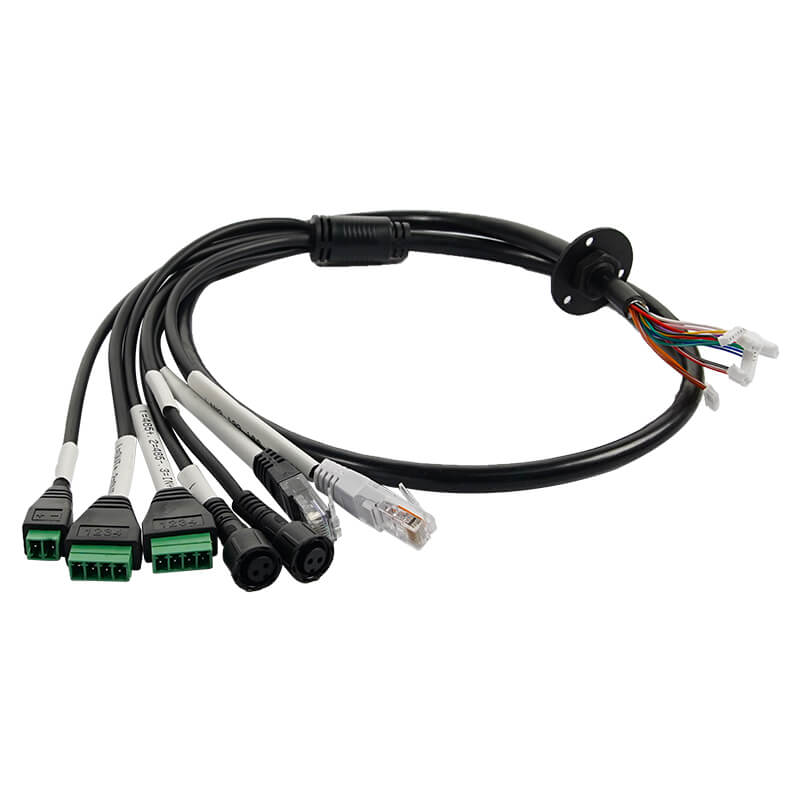
The multi-interface integrated equipment pigtail multifunctional composite harness is designed to reduce this main-harness problem. It can bring RJ45 network access, an aviation plug, a green terminal block, PH2.0 motherboard terminal output, power supply, and sensor signal output into one organized assembly. Instead of relying on several separate extensions, the harness supports a cleaner wiring route and a more recognizable interface layout during installation and maintenance.
Mistake 2: Underestimating Connector Locking and Branch Stability
Another frequent mistake appears in branch harnesses used for lamps, water temperature sensors, solenoid valves, and other vehicle-side components. Some buyers only check whether the plug can connect during assembly, but they do not check whether the connector can stay seated during vibration, pulling force, and long-term movement.
1. Choosing connectors that only fit during initial assembly
A connector that fits once on the production line may still loosen later. If there is no reliable locking or positioning structure, road vibration, engine vibration, and field operation can gradually weaken the connection. The result may be intermittent signal loss, unstable accessory function, or a fault that is difficult to reproduce during inspection.
2. Ignoring pulling force and crowded branch routing
Branch harnesses are often routed through narrow spaces, near moving parts, or around equipment housing edges. If the cable is pulled or squeezed without proper fixation, the connector and terminal may experience stress over time. This can cause sensor misreading, lamp failure, valve control interruption, or repeated maintenance visits.
3. Separating branch harness decisions from the main harness
When the main harness and branch harness are sourced separately, connector models, wire specifications, routing direction, and fixing methods may not match. This creates installation uncertainty and increases the chance that the final system depends on field adjustment instead of controlled design.
Where an Automotive Female Connector Harness Helps
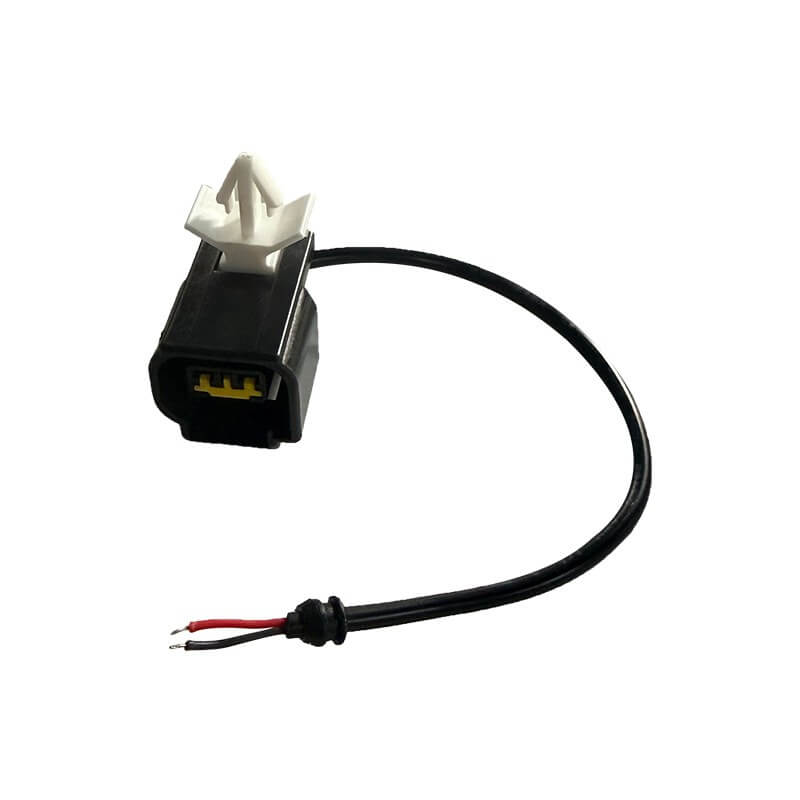
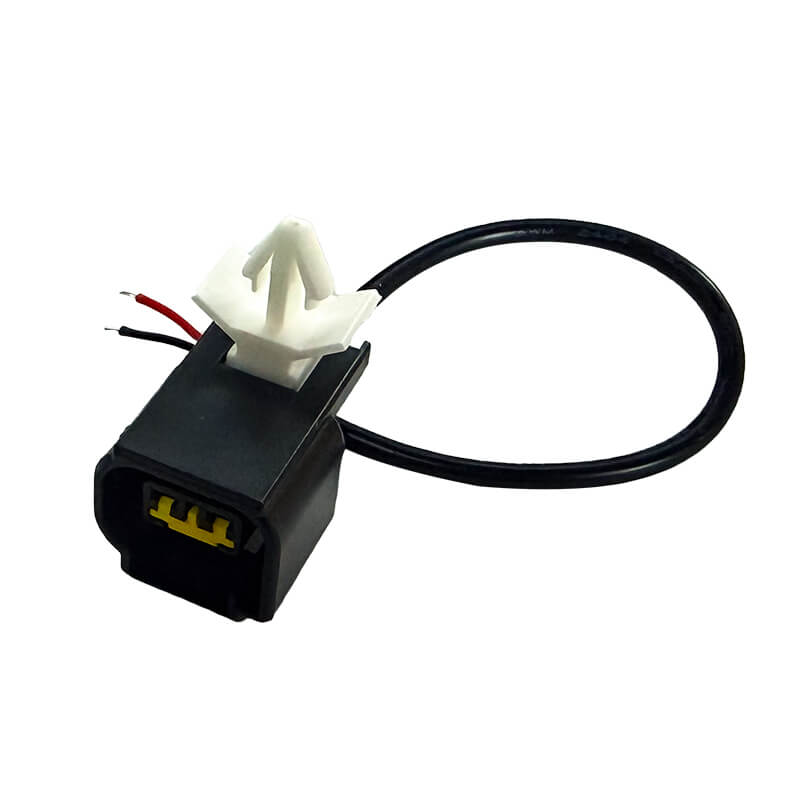
The automotive female connector wiring harness addresses this branch connection issue with a 3P automotive connector and a locking buckle structure. The buckle helps position the connector around the equipment housing and reduces accidental loosening during long-term vibration. For sensor branches, lamps, valves, and vehicle accessory connections, this structure supports more stable contact and reduces troubleshooting caused by disconnection.
Mistake 3: Treating Material and Workmanship as Secondary Details
Material and processing quality should not be treated as minor purchasing details. In automotive and machinery environments, the harness may face heat, oil contamination, humidity, vibration, bending, and friction. If the material choice or terminal workmanship is weak, the failure may not appear immediately, but it can become expensive after the equipment enters real use.
1. Wire insulation not matched to the working environment
The insulation jacket should be selected according to temperature, abrasion, oil exposure, bending radius, and installation position. A low-grade jacket may crack, harden, or wear through after long-term use. The direct loss can include short circuits, unstable power supply, equipment shutdown, or replacement work in locations that are difficult to access.
2. Rough crimping and unstable terminal contact
Terminal crimping affects electrical continuity. Rough crimping, poor terminal fit, or inconsistent processing can lead to oxidation, higher contact resistance, weak signal transfer, and heat build-up. These failures often create intermittent problems, which are more costly because technicians may spend hours checking sensors, control boards, and software before locating the harness fault.
3. Poor separation between signal and power lines
EMC and routing separation are also important when signal lines are close to higher-power components. Poor layout can increase signal interference, false alarms, communication instability, or sensor data errors. For industrial control devices and vehicle terminals, this may affect not only one connector, but the reliability of the whole equipment system.
How to Choose Main Harness and Branch Harness
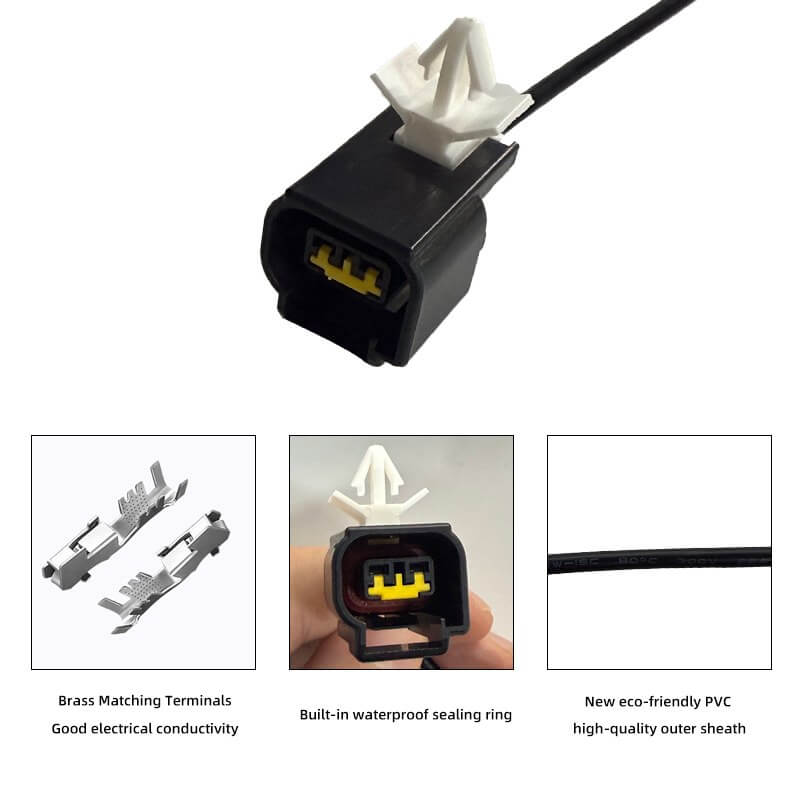
After the common mistakes are clear, the main harness and branch harness should be selected as a wiring architecture. A multi-interface main harness is suitable when the central device needs to organize power, network, motherboard terminals, panel-side output, and external plugs in limited space. A branch harness is necessary when sensors, lamps, solenoid valves, or accessories need stable connections at different points of the vehicle or machine.
For procurement teams, the practical decision is to ask whether the harness can reduce installation steps, avoid extra adapters, stay fixed under vibration, and keep maintenance access clear. If the answer depends on temporary field adjustment, the harness design is not complete enough. Planning the main harness and branch harness together helps reduce mismatched connectors, inconsistent routing, and separate cable decisions made by different teams.
From Automotive Harnesses to One-Stop Custom Wiring Support
A custom automotive wiring harness project may start with one connector or one device panel, but many customers eventually need a wider harness family. Huajunxin can support customized directions such as new energy vehicle high-voltage harnesses, FFC flat cabin wiring harnesses, truck whole-vehicle wiring harnesses, modified vehicle harnesses, and other cable assembly solutions when the application requires them.
This broader support is valuable because customers do not have to treat every connector or cable as an isolated purchase. With one-stop matching for main harnesses, branch harnesses, connectors, materials, processing, and assembly requirements, the project can be reviewed more consistently from sample development to batch delivery.
Conclusion
Choosing a custom automotive wiring harness is not only about connecting point A to point B. It is about preventing installation delays, signal interruption, unexpected equipment downtime, and high after-sales repair costs. The most reliable choice is a harness designed around the complete interface map, the actual vehicle environment, stable connector locking, suitable material selection, and repeatable terminal processing.
Huajunxin can provide one-stop wiring harness support for main harnesses, branch harnesses, connectors, and related custom cable assemblies. With strict outgoing inspection, including connector matching, continuity checking, appearance review, and processing control according to project requirements, customers can reduce sourcing risk before products leave the factory. Flexible MOQ options can also support sample development, small-batch trial orders, and later volume production.
Ready to build a reliable wiring solution for your equipment? Contact us to discuss a customized main harness and branch harness solution.
FAQ
Q: What is a custom automotive wiring harness?
A: A custom automotive wiring harness is a tailored cable assembly designed around a vehicle or equipment connection layout. It can combine power, signal, sensor, network, and terminal connections in a structure that fits the device housing, connector positions, material requirements, and installation environment.
Q: What should buyers check before ordering a custom automotive wiring harness?
A: Buyers should check the interface map, connector direction, branch length, locking structure, wire and jacket material, terminal crimping quality, routing space, and the working environment. These factors affect installation efficiency, fault risk, and long-term maintenance cost.
Q: Why is connector locking important in automotive wiring?
A: Connector locking helps the plug stay seated during vibration, movement, and repeated equipment operation. Without a stable locking or positioning structure, the connector may loosen and cause intermittent signal loss, sensor faults, accessory failure, or unexpected troubleshooting work.
Q: When should a main harness and branch harness be planned together?
A: They should be planned together when one equipment system includes a central control unit plus multiple sensors, lamps, valves, external plugs, or accessory connections. Reviewing them together helps keep connector selection, routing, fixation, and installation requirements consistent.
Q: Can Huajunxin support small trial orders and broader wiring harness projects?
A: Yes. Huajunxin can support custom automotive wiring harness projects from sample development and flexible MOQ trial orders to broader one-stop wiring harness solutions, with outgoing inspection and project-based customization support.
 Address: A203, Building 3, Xinsheng Community, Longgang Subdistrict, Longgang District, Shenzhen, Guangdong Province


