


Wire harness quotes vary because the products being compared are often different in materials, connectors, assembly work, testing requirements, customization, or order conditions. A lower wire harness cost may reflect a simpler construction or narrower quality requirement rather than a better value. Understanding the cost structure helps teams choose a cable assembly that fits the equipment and operating environment.
What Is Included in a Custom Wire Harness Quote?
Material Costs
Material cost includes the cable, insulation, connectors, terminals, and protective parts. The selected construction affects flexibility, protection, routing space, and suitability for the final device.
Manufacturing and Assembly Costs
A cable assembly may require cutting, stripping, crimping, soldering, connector insertion, wrapping, labeling, or molded protection. A short single-ended DC cord is simpler to assemble than a multi-interface harness with different branch lengths and connector types. More operations mean more handling time and a different wire harness price.
Testing and Quality Control Costs
Testing requirements should be defined together with the application. Basic checks may focus on appearance, continuity, polarity, connector fit, and assembly consistency, while demanding projects may require additional verification. Two wire harness quotations are not directly comparable when inspection scopes differ.
Engineering and Setup Costs
Customized projects may require drawing review, sample preparation, tooling adjustment, production setup, and process confirmation. These activities matter when a harness has a non-standard pin arrangement, unusual cable length, multiple branches, or a special connector.
Six Key Factors That Affect Wire Harness Pricing
Wire Material, Gauge, and Insulation Specifications
The conductor and outer construction are among the first factors behind custom wire harness cost. Larger conductors use more material, while multi-strand structures may be selected when repeated movement or easier routing matters. Insulation also changes the design: PVC, PE, silicone, and rubber each provide different combinations of flexibility, protection, surface feel, and resistance to aging.
The right specification depends on the equipment rather than price alone. A DC power cable, sensor wire, and automotive cable may need different dimensions and protection. Comparing only outside appearance can hide meaningful differences in cable structure.
Connector and Terminal Selection
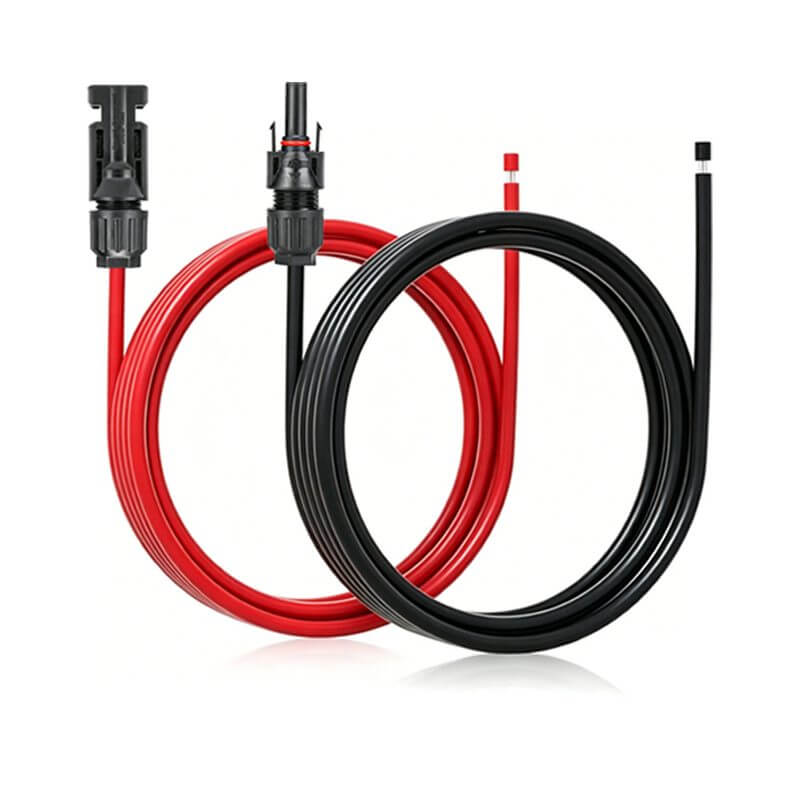
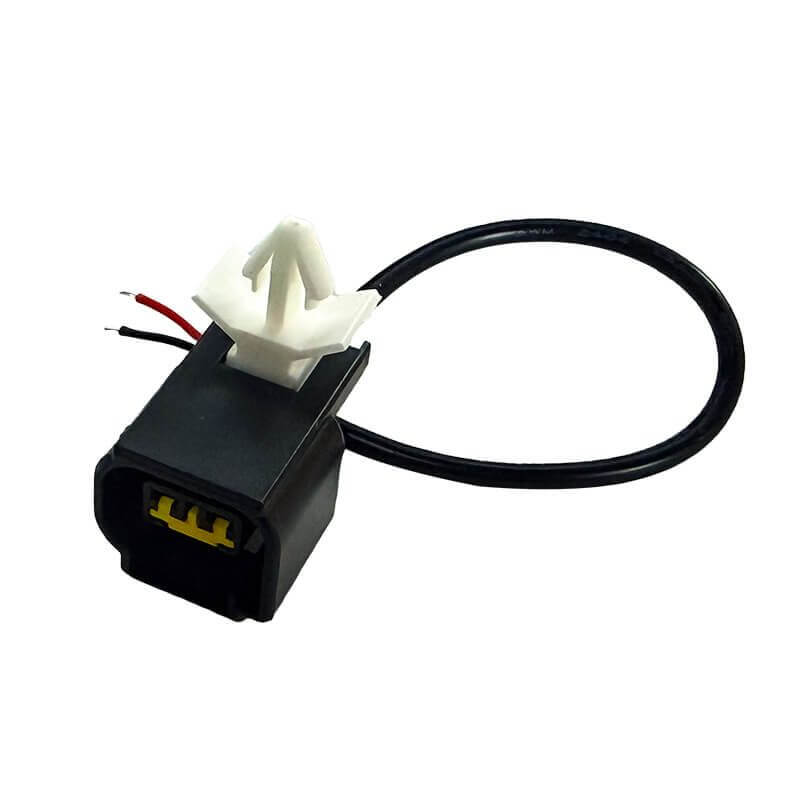
Connectors influence cost through their structure, number of positions, locking method, installation style, and compatibility with the equipment. Huajunxin’s products include DC connectors, waterproof M12 cables, MC4 PV cables, aviation connector harnesses, automotive connector harnesses, and multi-interface composite harnesses. Each connection format changes the assembly steps and the space required around the finished cable.
The terminal arrangement matters as much as the connector body. Several different ends, stripped and tinned wires, or a panel-mount connection require more preparation than one standard plug. Confirm the connector model, pin configuration, cable exit direction, and terminal finish before comparing wire harness quotes.
Harness Complexity and Assembly Requirements
Simple cable assemblies have fewer parts and a shorter handling sequence. Multi-branch harnesses can include different wire lengths, connector types, sleeves, labels, split points, and strain relief. Complex layouts require closer control of routing, polarity, branch position, and connector orientation.
Braided wires, shielding, corrugated tubes, and other protective structures add material and assembly steps. A vehicle-monitoring harness or composite equipment connection may therefore cost more than a basic power cord of similar length.
Testing Standards and Quality Requirements
Quality requirements should match the consequences of failure. Appearance and continuity checks may suit a straightforward connection, while a critical assembly may need documented electrical or mechanical verification. The inspection scope should come from the project specification.
When comparing wire harness pricing factors, confirm which checks are included, how consistency is controlled, and what information accompanies the finished batch. A higher price can be reasonable when the application requires tighter process control and clearer quality records.
Customization Level and Non-Standard Requirements
Custom wire harness cost rises when the design moves away from a standard cable. Common variables include cable length, wire size, wire color, labeling, connector type, terminal arrangement, pin configuration, and protective structure.
Waterproof cable assemblies, automotive wiring harnesses, sensor connections, and battery-related cable assemblies often need a closer fit to the equipment. Review available space, routing path, connection frequency, movement, and operating exposure before selecting the final structure.
Order Quantity, Prototype Stage, and Delivery Requirements
Prototype and small-volume production usually carry a higher unit cost because engineering review, material preparation, setup, and adjustment are spread across fewer pieces. Larger batches can distribute setup work more efficiently, so the same specification can often be produced more efficiently at scale.
Delivery timing also affects the production plan. A standard schedule allows materials and assembly work to be arranged in sequence, while an urgent requirement may need additional coordination. Quantity, timing, packaging, and revision control are part of total wire harness cost.
How Should Buyers Compare Wire Harness Quotations?
Compare Technical Specifications
Start with conductor and insulation materials, cable size, length, connector type, terminal arrangement, pin configuration, branch design, and protective structure. If any item is unclear, two prices may describe different products even when the photographs look similar.
Confirm Testing Requirements
Confirm the inspection scope, acceptance criteria, documentation, and sample approval process. The goal is to match the quality requirement to the application and apply it consistently across the options being compared.
Evaluate Total Purchasing Value
A useful comparison includes reliability, production stability, replacement risk, installation effort, and technical communication. A cable that fits correctly and remains consistent can create more value than a lower-priced part that requires rework.
How Huajunxin Supports Custom Wire Harness Projects
Flexible Wire and Cable Solutions
Huajunxin’s published range includes PVC, PE, silicone, and rubber wires, together with braided, shielded, multi-core, ribbon, electronic, sensor, USB, audio, signal, and DC power cables. This range allows the cable structure to be considered with the equipment layout and connection method.
Customized Wire Harness Manufacturing
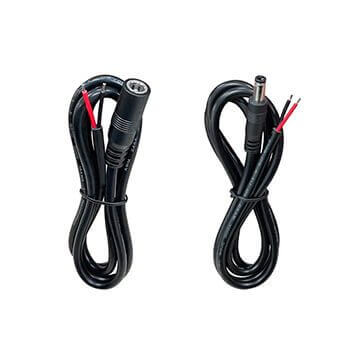
For applications that need a more specific connection, the selection can extend beyond a basic power cord. DC cables can serve electronic equipment, while waterproof, automotive, or battery-related harnesses can combine several connection points in a defined layout. For DC applications, the DC Power Cord Series provides a reference point for male and female power cord structures. For exposed equipment connections, the Waterproof Cable Series includes M12 waterproof male and female cables.
Support for Different Production Stages
A clear project process begins with a drawing, sample, or application requirement and continues through structure review, sample confirmation, manufacturing, inspection, and batch consistency. The right custom wire harness manufacturer can discuss connection logic and physical constraints instead of treating every project as a standard cable.
Conclusion
Wire harness pricing depends on more than cable length or the number shown on a quotation. Materials, connectors, assembly complexity, testing requirements, customization, quantity, and delivery conditions all shape the final result. The most reliable way to compare wire harness quotes is to compare complete technical specifications and total application value.
Huajunxin integrates wire and cable production, R&D, and customization for multiple cable and harness categories. Its product range includes new-energy wiring harnesses, robot and robotic-arm harnesses, terminal wires, DC power cables, waterproof cables, sensor wires, USB cables, audio cables, and signal cables. Available wire materials include PVC, PE, silicone, rubber, braided, shielded, multi-core, electronic, and ribbon cable constructions, allowing cable structure and materials to be matched to different equipment requirements.
Contact Huajunxin with your wire harness requirements for a customized cable solution.
FAQ
Q: Why do wire harness quotes vary so much?
A: Wire harness quotes can differ because the compared products may use different cable materials, connector structures, assembly processes, testing scopes, customization levels, quantities, or delivery schedules. A lower number may describe a simpler product or a narrower quality requirement, not the same construction at a lower margin.
Q: What factors affect custom wire harness cost?
A: Custom wire harness cost is mainly affected by cable material, conductor size, insulation, connector and terminal selection, branch complexity, protective structures, labeling, inspection requirements, setup work, order quantity, and delivery timing. The application environment also influences the cable structure and connection method.
Q: Why are small-volume wire harness orders more expensive?
A: Small-volume orders usually spread drawing review, material preparation, production setup, adjustment, and inspection across fewer pieces. Their unit cost can therefore be higher than a repeat batch made with the same design. The difference is related to setup efficiency, not a different specification.
Q: How can buyers compare wire harness suppliers?
A: Compare suppliers against the same drawing, sample, cable structure, connector configuration, pin arrangement, protection requirements, inspection scope, quantity, and delivery plan. Also consider consistency, communication, revision control, and the supplier’s ability to explain how the harness fits the equipment.
 Address: A203, Building 3, Xinsheng Community, Longgang Subdistrict, Longgang District, Shenzhen, Guangdong Province


