


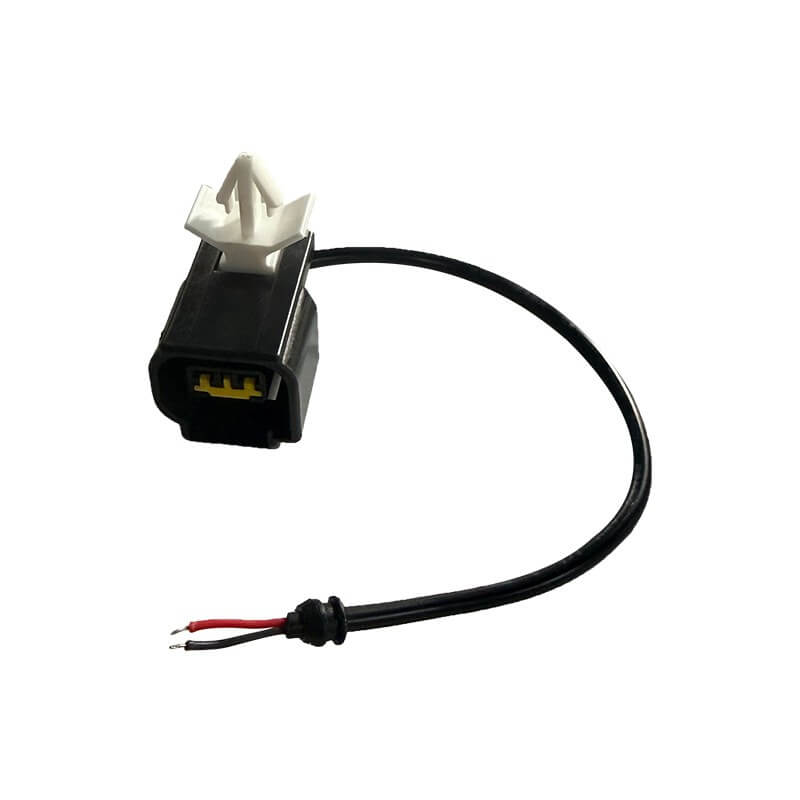
Choosing a custom wiring harness involves more than confirming cable length, wire gauge, and connector type. For R&D engineers, energy storage equipment manufacturers, automotive and machinery companies, smart-device brands, and OEM manufacturers, the complete harness must match electrical load, interfaces, installation space, mechanical stress, environmental exposure, and maintenance needs.
Four procurement mistakes cause many field failures: incomplete connector specifications, unsuitable material selection, weak processing quality, and inconsistent sourcing of main and branch harnesses. Solving these issues before prototype approval can reduce rework, poor contact, signal interference, water ingress, overheating, assembly errors, and after-sales costs.
Why Custom Wiring Harness Problems Appear After Installation
Interface Mismatch Can Remain Hidden During Sampling
A connector can look correct while still having the wrong pin assignment, terminal size, locking structure, mating interface, or cable exit direction. A continuity test may confirm an electrical path but cannot always reveal dimensional conflicts or insufficient retention.
A production-ready custom wiring harness therefore needs complete interface definitions, including pinout, polarity, terminal geometry, mating component, mounting orientation, and installation clearance.
Heat, Vibration, and Moisture Change Cable Requirements
A harness inside stationary electronics faces different conditions from an automotive wiring harness exposed to vibration or an outdoor waterproof harness. Temperature, vibration, and moisture can affect conductor resistance, insulation life, terminal stability, sealing, and routing. Cable materials should therefore be selected around actual operating conditions.
Power and Signal Circuits Require Different Designs
High-current circuits prioritize conductor size, voltage drop, terminal capacity, and temperature rise. Sensor and communication circuits require more attention to shielding, grounding, and signal stability.
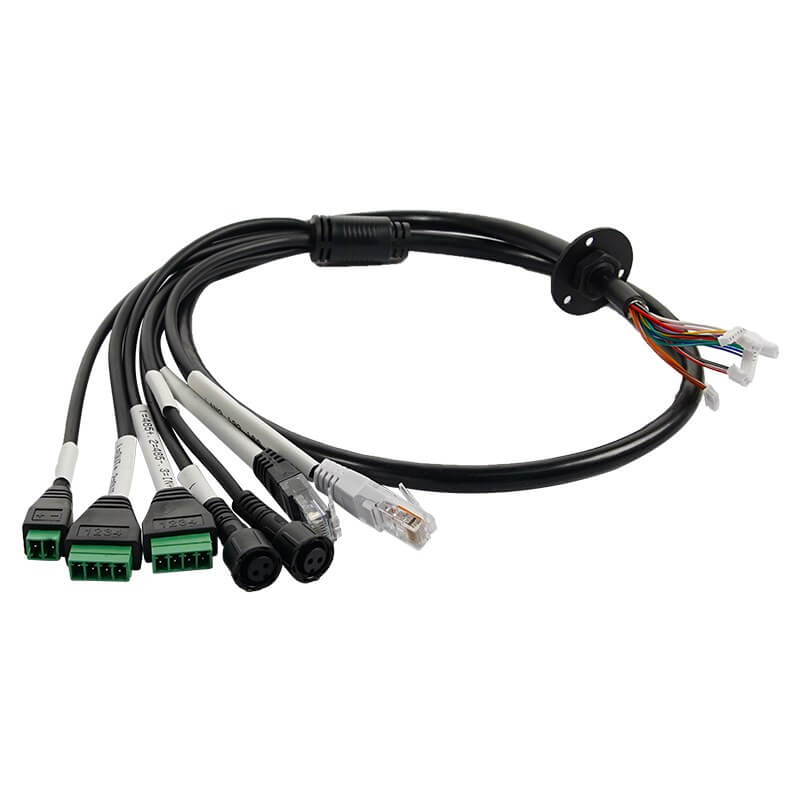
Huajunxin multi-interface equipment harnesses can combine network, power, and control branches within one custom wiring harness. RJ45 connections, pluggable terminals, aviation connectors, and PH/XH terminal wires can be arranged according to equipment architecture.
Mistake1: Confirming the Cable but Not the Connector Interface
Connector Type Is Only the Starting Point
A request such as “M12 cable” or “battery cable” leaves important variables undefined. Gender, pin count, pin assignment, terminal dimensions, mating component, locking method, cable exit, and installation space all influence compatibility.
Huajunxin high-current battery connection cables can use 10AWG, 8AWG, 6AWG, or 4AWG conductors, while cable length and terminal-hole dimensions can be adjusted to the battery layout.
Electrical and Mechanical Compatibility Must Work Together
Physical connection alone does not guarantee reliable performance. Current capacity, contact resistance, polarity, terminal retention, vibration resistance, sealing, and temperature must all match the application.
Drawings, pin definitions, terminal dimensions, mating interface details, voltage, current, and installation conditions should therefore be confirmed before sampling.
Mistake2: Choosing Wire Materials by Price or Appearance
Wire Gauge Must Follow the Actual Electrical Load
A thick jacket does not prove that the internal conductor can carry the required current. Wire gauge should be selected according to continuous and peak current, cable length, allowable voltage drop, ambient temperature, bundle conditions, terminal capacity, and circuit protection.
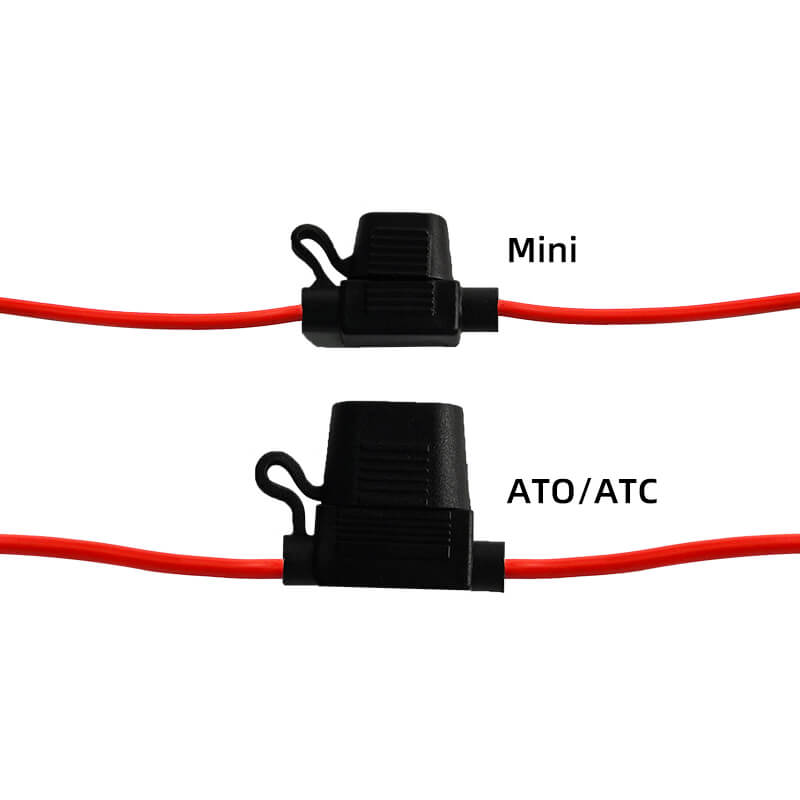
Huajunxin waterproof blade fuse holder harnesses are designed for 12–24V DC circuits and can use 12AWG to 22AWG wire with standard or mini blade fuses from 5A to 30A. Conductor size and fuse rating should be coordinated as one electrical system.
Insulation and Shielding Must Match the Environment
PVC, TPE, silicone, PE, and other cable materials differ in flexibility, temperature resistance, abrasion resistance, and environmental durability.
Signal applications can also require shielding, twisted conductors, controlled grounding, or separation from high-current cables. Material selection should start with actual operating conditions rather than the lowest cable price.
Mistake3: Focusing on Materials but Ignoring Workmanship
Crimping Quality Affects Long-Term Contact Stability
Good materials cannot compensate for unstable terminal processing. A reliable crimp must secure the conductor without cutting strands or creating excessive resistance. Stripping length, terminal size, connector cavity, cable diameter, and strain relief must work together.
Weak termination may pass an initial continuity test but later develop higher contact resistance under vibration, repeated bending, or high-current operation.
Waterproofing Depends on the Complete Connection
An IP-rated connector does not automatically make an entire custom wiring harness waterproof. Sealing depends on the connector interface, sealing rings, cable entry, overmolding, jacket dimensions, locking structure, strain relief, and final mating condition.
Validation Should Match the Application
Mass-production validation may cover electrical continuity, resistance, terminal retention, connector fit, sealing, bending, temperature exposure, labeling, and dimensions. Testing should match actual operating risks.
Mistake4: Sourcing Main and Branch Harnesses as Separate Systems
Fragmented Specifications Increase Assembly Risk
A main harness and several branch harnesses may pass individual inspection but still create problems when integrated into one machine. Separate specifications can lead to inconsistent pin definitions, wire colors, connector orientation, labeling, branch lengths, waterproof levels, or inspection methods.
The result may be an incompatible wiring system rather than a defective cable.
Integrated Harness Design Simplifies Coordination
A more efficient approach is to manage the main harness and branch cables under one drawing system, interface definition, and bill of materials.
Huajunxin multi-interface equipment harnesses can combine power, network, signal, and terminal branches within one custom wiring harness architecture. Cable length, conductor specification, shielding, terminal model, branch identification, and connector combination can be adjusted to the equipment structure. This integrated approach is particularly useful for equipment that would otherwise require separate network, power, sensor, and terminal cables from different suppliers. Huajunxin also produces composite harnesses that combine RJ45 connectors, aviation plugs, pluggable terminal blocks, and PH/XH terminals within one multi-branch architecture.
How to Choose a Wiring Harness for Different Applications
Energy Storage Wiring Harnesses
Energy storage and battery connection applications should prioritize current capacity, conductor size, voltage drop, temperature rise, polarity, terminal dimensions, and insulation performance. Huajunxin high-current battery connection cables, for example, can use different conductor sizes, cable lengths, terminal-hole dimensions, and PVC, TPE, or silicone insulation according to the battery layout and current requirements.
Automotive and Machinery Wiring Harnesses
Automotive and construction machinery applications introduce vibration, oil exposure, temperature changes, abrasion, moisture, and repeated movement. Connector locking, terminal retention, waterproof sealing, strain relief, and routing therefore become particularly important. Huajunxin automotive connector harnesses support customizable connector pin counts, cable lengths, and wire gauges for sensors, vehicle lamps, new-energy vehicle electrical circuits, and construction machinery.
Data and Signal Cables
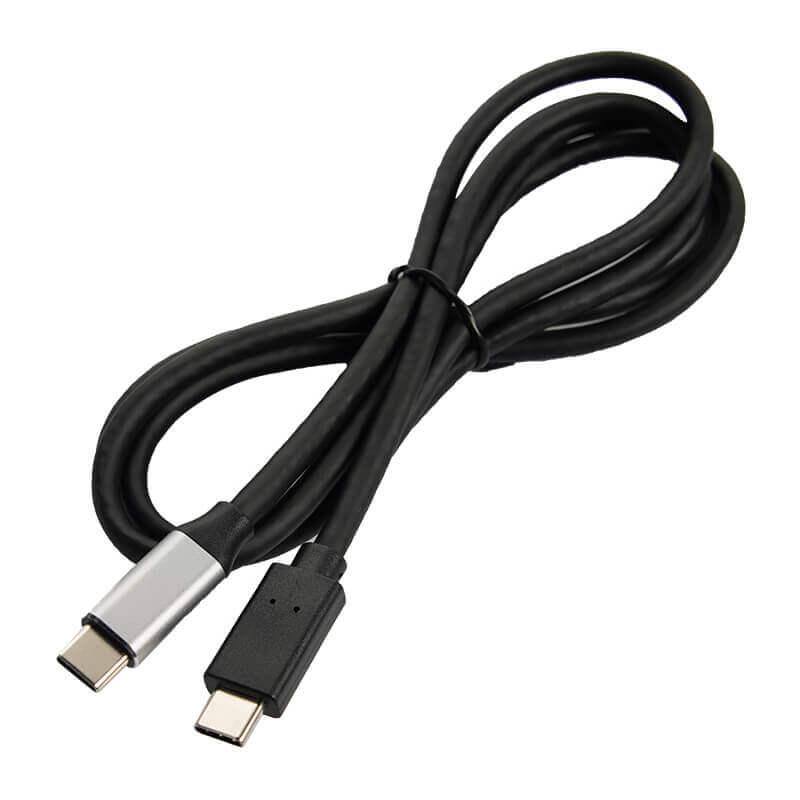
Data and communication connections should focus on signal stability, shielding, grounding, interference control, connector definition, and routing away from high-current circuits. Depending on the equipment architecture, USB, RJ45, sensor, signal, or other communication branches may need to be integrated into the wiring system.
DC Power Cables and Combined Power/Data Harnesses
Power cables should be selected according to voltage, continuous and peak current, allowable voltage drop, conductor size, terminal capacity, cable length, and temperature. For equipment requiring both power and communication, Huajunxin can also integrate network and DC power branches into one harness architecture, reducing the number of separate cables and simplifying installation.
What Should Buyers Look for in a One-Stop Wiring Harness Manufacturer
A capable custom wiring harness manufacturer should connect material selection, connector compatibility, terminal processing, shielding, waterproofing, branch integration, and prototype development within one project.
Huajunxin integrates wire and cable production, R&D, and customization for multiple cable and harness categories. Its product range includes new-energy wiring harnesses, robot and robotic-arm harnesses, terminal wires, DC power cables, waterproof cables, sensor wires, USB cables, audio cables, and signal cables. Available wire materials include PVC, PE, silicone, rubber, braided, shielded, multi-core, electronic, and ribbon cable constructions, allowing cable structure and materials to be matched to different equipment requirements.
For buyers managing products with multiple power, signal, waterproof, or branch connections, sourcing these requirements through one customization process can simplify interface confirmation, prototype validation, BOM management, and production coordination.
Conclusion
A reliable custom wiring harness is an engineered connection system rather than a simple bundle of wires. Connector definition, conductor size, insulation, shielding, crimping, sealing, routing, branch integration, and validation all influence long-term performance.
For energy storage, automotive, industrial control, outdoor equipment, and smart-device projects, defining these requirements before volume production can reduce installation errors, failures, overheating, signal problems, and after-sales costs. Integrated main and branch harness development can also improve assembly consistency.
Contact us to discuss a Huajunxin custom wiring harness based on your drawing, electrical load, connector interface, operating environment, and production requirements.
FAQ
Q: What information is needed for a custom wiring harness?
A: A custom wiring harness normally requires voltage, current, wire gauge, cable length, core count, connector type, pinout, terminal dimensions, polarity, jacket material, temperature, shielding, waterproofing, installation space, and expected quantity.
Q: How should wire gauge be selected for a custom wiring harness?
A: Wire gauge must be chosen based on current, length of cable, allowable voltage drop, temperature, bundling conditions, terminal rating, and circuit protection.
Q: Is it better to source the main and branch wiring harnesses from one manufacturer?
In equipment with multiple interfaces, managing the main and branch harnesses under the same drawings, pin definitions, connector specifications, labeling rules, and validation requirements can reduce assembly mismatches. Integrated sourcing is particularly useful when power, network, signal, sensor, or waterproof branches must work together.
Q: Can a Huajunxin custom wiring harness be developed from a drawing or sample?
A: Yes. Development can begin from an equipment drawing or physical sample after electrical load, connector interfaces, terminal dimensions, materials, environment, branch structure, and validation requirements are defined.
 Address: A203, Building 3, Xinsheng Community, Longgang Subdistrict, Longgang District, Shenzhen, Guangdong Province


