


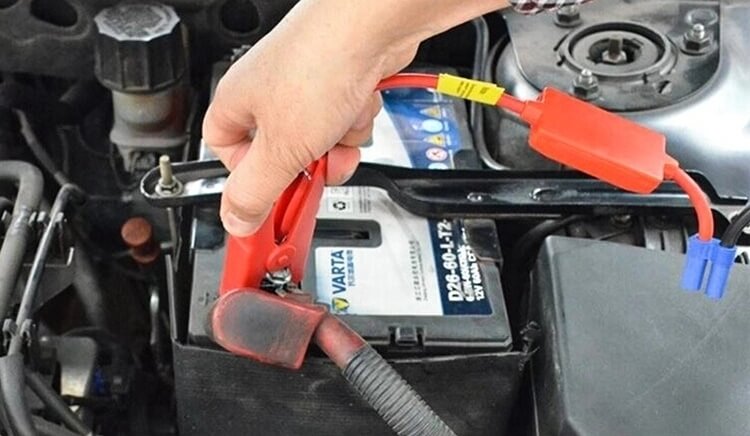
A new energy wiring harness differs from a traditional automotive wiring harness in voltage capacity, current load, insulation, shielding, temperature resistance, sealing, and safety design. Traditional vehicle cables mainly support low-voltage lighting, sensors, engine controls, and cabin electronics. By contrast, an EV high voltage cable may transfer power between the battery pack, inverter, charging system, power distribution unit, and drive motor.
For buyers researching the difference between EV wire and fuel car cable, the key issue is not only voltage. The complete harness must also remain reliable under heat, vibration, moisture, limited installation space, and electromagnetic interference.
What’s the Difference Between an NEV Harness and a Traditional Vehicle Cable?
Voltage and Current Capacity
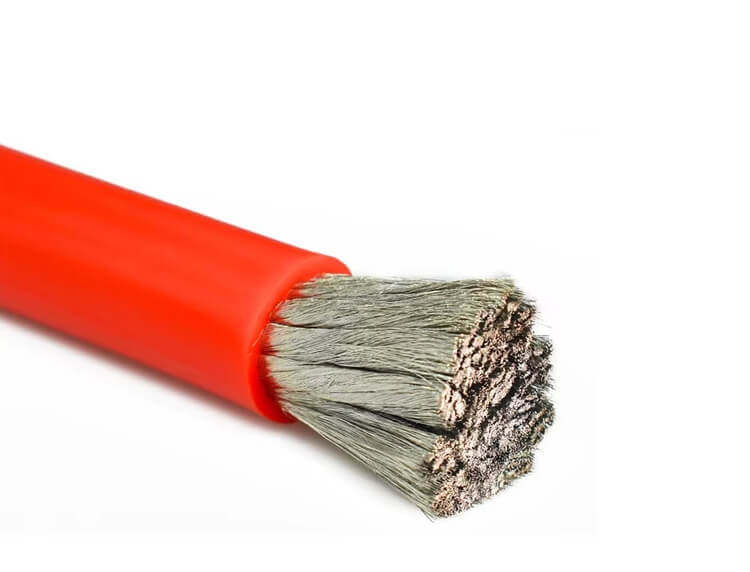
Traditional vehicles commonly use 12V electrical systems, while many commercial vehicles use 24V systems. EV traction systems operate at much higher voltages, often reaching several hundred volts depending on the platform.
Higher voltage changes insulation, connector, separation, routing, and testing requirements. Conductor size, cable length, temperature, bundling, and terminal resistance also affect voltage drop and heat.
Insulation and Temperature Resistance
An EV high voltage cable can be fitted near batteries, motors, inverters, or charging elements. It should be resistant to electric stress and high temperature.
Common materials include PVC, PE, TPE, silicone, and rubber-based compounds. The correct material depends on:
- Rated voltage
- Operating temperature
- Required flexibility
- Oil and chemical exposure
- Abrasion risk
- Bend radius
- Customer specifications
Huajunxin processes cable assemblies using PVC, PE, silicone, and rubber materials. Final material selection follows project requirements.
Shielding and Signal-Control Requirements
Electric motors, inverters and high-frequency switching components can generate electromagnetic interference. If power cables are installed too close to sensor or communication lines, the interference may affect signal stability.
A new energy wiring harness may therefore require shielded cables, controlled grounding, shielded connectors and physical separation between power and signal circuits. These requirements are generally less demanding in basic traditional low-voltage vehicle circuits.
When requesting a custom harness, engineering teams should specify whether shielding is required, how the shielding layer should be terminated and where the cable will be installed. Huajunxin produces shielded, multi-core signal & sensing wires.
Waterproofing and Environmental Protection
Harnesses installed near battery packs, underbody components or charging systems may be exposed to water, dust, road contaminants and temperature changes. Moisture entering a connector can cause corrosion, unstable contact resistance or insulation failure.
Depending on the installation environment, a new energy wiring harness may require sealed connectors, rubber sealing rings, protective boots, heat-shrink tubing, overmolding or abrasion-resistant sleeves.
Traditional vehicle cables may also need environmental protection, but the required level depends on the circuit function and installation position. Buyers should confirm whether an IP rating applies to the connector alone, the mated connection or the complete cable assembly.
Connector and Terminal Reliability
A traditional low-voltage cable is often selected according to wire gauge, connector compatibility and basic circuit reliability. A custom NEV harness requires a broader review of conductor size, insulation, terminals, connectors, shielding, sealing, branch layout and protective structures.
Higher electrical loads also make terminal processing especially important. Poor crimping or excessive contact resistance may generate heat even when the cable itself is correctly selected.
Before mass production, procurement and engineering teams should confirm continuity, cable dimensions, terminal retention, connector fit, pin definitions, labeling and installation performance.
Common EV Wiring Harness Performance Issues
Excessive Temperature Rise
An undersized conductor or high-resistance terminal can generate excessive heat. The solution requires correct conductor sizing, reliable crimping, suitable materials, and proper routing.
Unstable Signal Transmission
High-power systems may disturb nearby control or sensor circuits. Shielding, grounding, and physical separation should be considered during design.
Moisture Ingress
Connectors installed in exposed areas may require seals, waterproof covers, or molded protection matched to the operating environment.
Difficult Installation
Incorrect branch positions, excessive cable stiffness, or unsuitable connector orientation can slow assembly. Drawings and sample installation should be reviewed before mass production.
Inconsistent Batch Quality
For volume orders, buyers need repeatable cutting, stripping, crimping, assembly, and inspection. Material batches, terminal processing, and final test records should be traceable.
How the Right New Energy Wiring Harness Solves These Problems
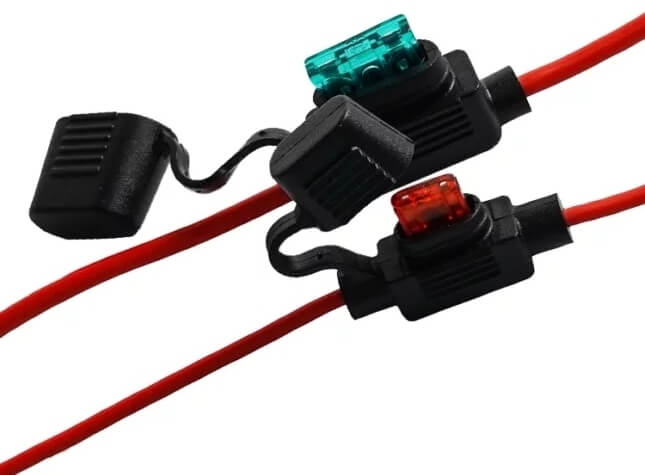
A reliable new energy wiring harness starts with complete technical information.
The rated voltage and current determine conductor and insulation requirements. Material selection should reflect temperature, flexibility, abrasion, and chemical exposure. EMI control should consider shielding, grounding, connector design, and routing. Connection points should use suitable terminals, seals, and strain relief.
Before mass production, buyers should confirm drawings, pin definitions, connector compatibility, cable length, continuity, dimensions, pull strength, and installation fit.
Huajunxin Wiring Harness Products and Customization
Huajunxin manufactures customized cable assemblies including:
- New energy wiring harnesses
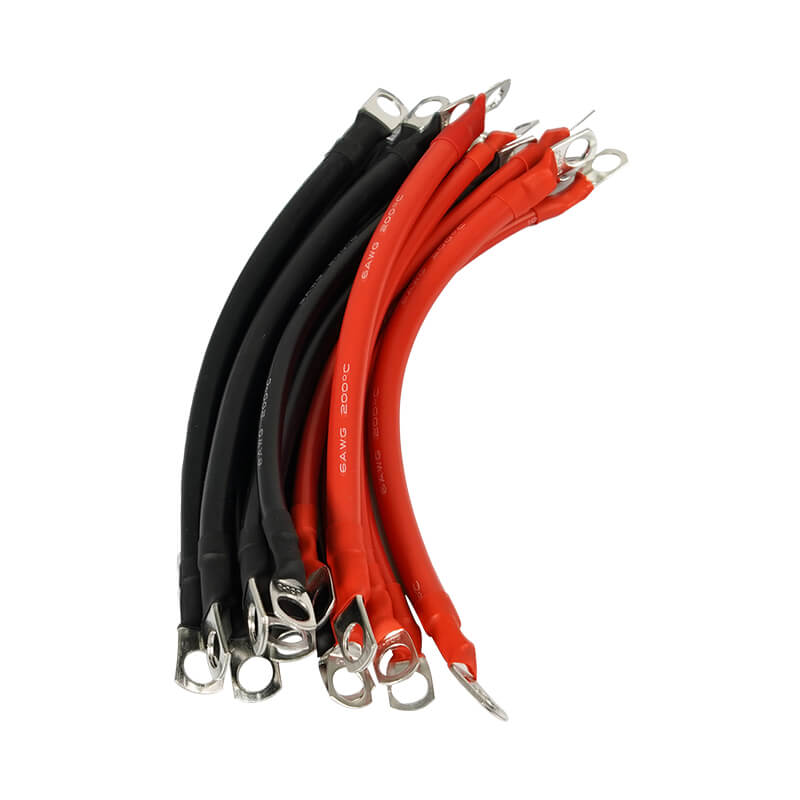
- High-current battery connection cables
- Shielded and multi-core wires
- Waterproof cable assemblies
- Low-voltage automotive wiring harnesses
- Terminal and connector assemblies
Customization may cover wire gauge, cable length, sheath material, shielding structure, connector model, terminal type, branch position, wire color, labels, and packaging.
For EV high voltage cable projects, buyers should provide the required voltage rating, current, connector system, installation environment, and applicable test standards. A thick cable should not automatically be treated as a qualified EV traction cable without confirming its complete specification and validation.
Why Consider Huajunxin?
Huajunxin integrates wire and cable production, research and development, and sales. Our product range includes new energy wiring harnesses, terminal wires, waterproof wires, sensor wires, shielded wires, braided wires, and multi-core wires. We support drawing-based customization of conductor size, cable length, terminals, connectors, insulation, shielding, and protective structures.
Conclusion
The main difference between a new energy wiring harness and a traditional automotive wiring harness lies in voltage, current, insulation, shielding, thermal performance, environmental protection, and system safety.
An EV high-voltage cable is not simply a larger fuel car cable. It must be designed around the battery, inverter, motor, charging system, connector layout, and installation environment.
Huajunxin supports customized wiring harness and cable assembly projects based on drawings, samples, and application requirements. Buyers can submit technical specifications for material selection, sample development, and quotation.
For professional inquiries regarding custom wiring solutions, please contact us.
FAQ
Q: What’s the difference between an NEV harness and a traditional vehicle cable?
A: NEV harnesses can be designed to handle high-voltage traction and control circuits, whereas ordinary automotive cables are more suitable for low-voltage circuits. The design of NEV harnesses requires more considerations for insulation, shielding, thermal management, sealing, and safety.
Q: Is every cable in an electric vehicle high voltage?
A: No. Electric vehicles use both high-voltage cables for traction and charging and low-voltage harnesses for lights, sensors, displays, and controls.
Q: Why does an EV high voltage cable need shielding?
A: The need for shielding may minimize interference from the electric motor, inverter, and high-frequency power electronics. The requirements will vary based on the system and cabling path.
Q: What information is needed for a custom automotive wiring harness?
A: Customers must supply information about voltage, current, wire size, cabling length, connector style, pin definition, temperature range, shielding, water resistance, drawing, and order quantity.
 Address: A203, Building 3, Xinsheng Community, Longgang Subdistrict, Longgang District, Shenzhen, Guangdong Province


