


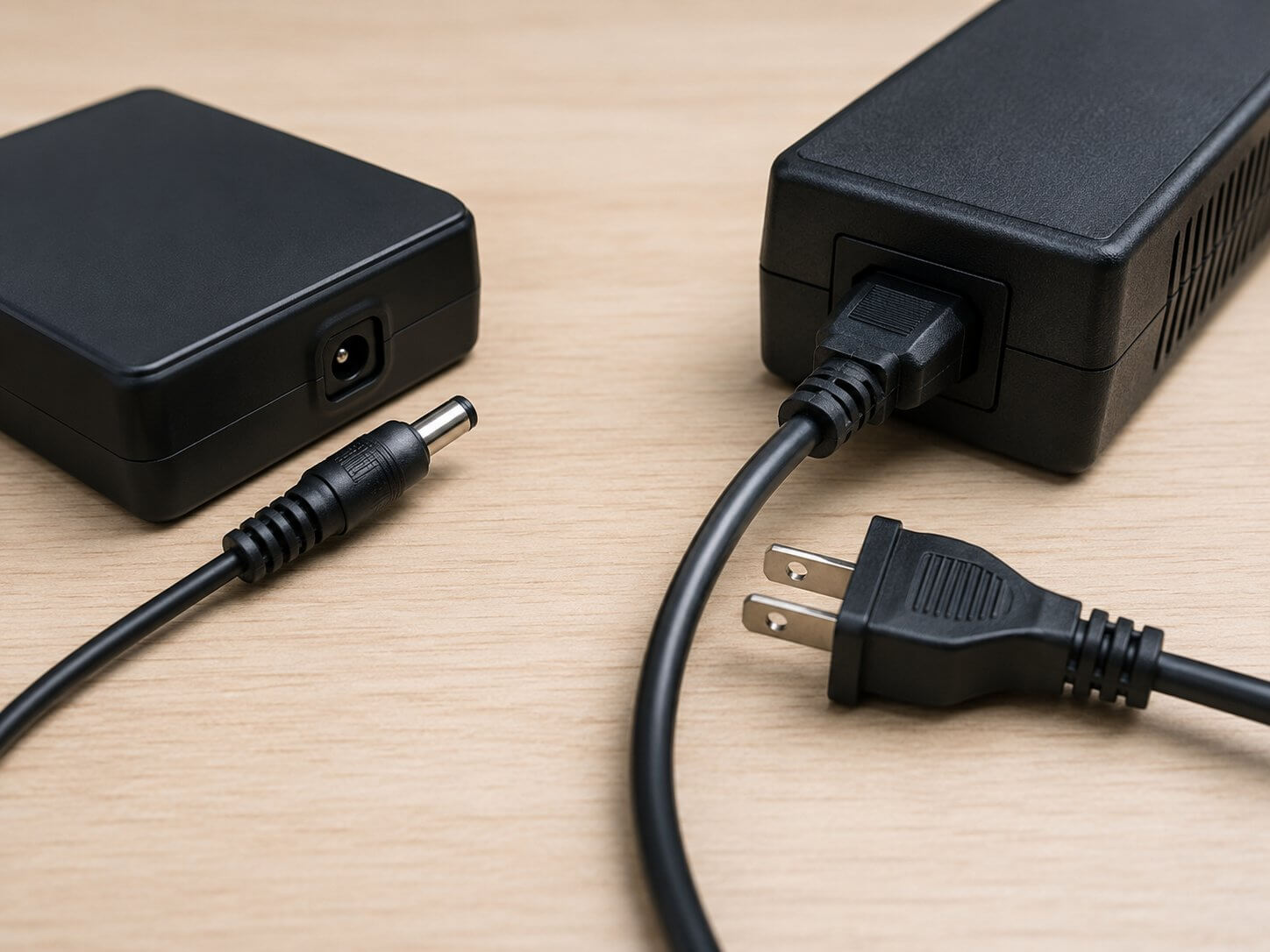
In today’s electrical engineering work, device reliability often depends on parts that stay out of sight. Every high-performance system, from factory robots to everyday smart gadgets, needs a steady energy supply. Yet many people still believe any wire can handle any job. The wrong power connection can cause sudden equipment failure, waste energy, or break international safety rules. Knowing the real differences between a DC power cable and an AC power cord is not just a technical detail. It is a key step for manufacturers who sell worldwide. Huajunxin has spent more than ten years serving over 30,000 customers across many countries. The company stresses that careful power cord selection forms the base for long product life.
What is the Core Difference Between a DC Power Cable and an AC Power Cord?
The main difference comes from the way electricity moves and the voltage each part must carry. Both items move energy, but their build and insulation needs change with the type of current.
What is a DC power cable and how does it drive portable tech?
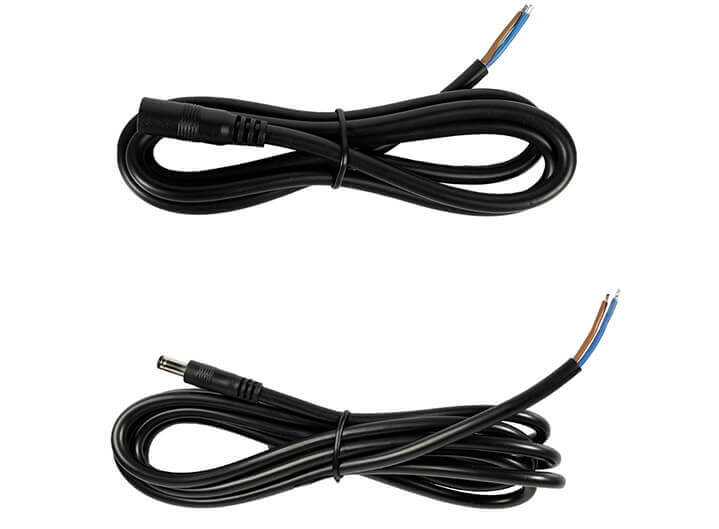
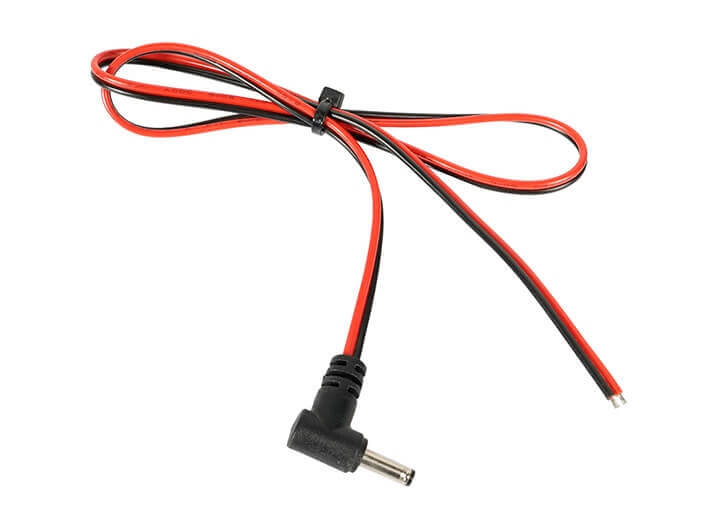
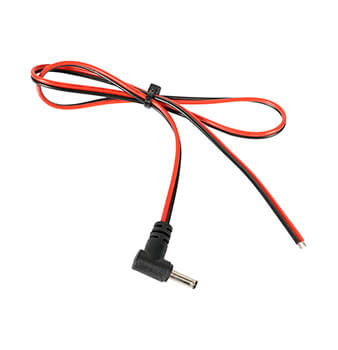
A DC power cable carries current that flows in one steady direction. These cables appear in low-voltage uses and inside circuit boards. Huajunxin supplies a full DC power cord series. The line includes BMW male and female head series and USB to DC power cable options. These parts fit devices that need steady, controlled voltage, such as laptops, medical sensors, and security cameras. A DC 1 mm² male and female single-ended power cord gives enough wire size to limit voltage drop on short runs. This keeps device performance steady. Designs like the DC male bend connector or elbow male connector fit tight spaces without trouble.
What defines an AC power cord in high-voltage environments?
An AC power cord links a wall outlet to a power adapter or supply. Alternating current changes direction many times each second. This trait allows power to travel long distances with less loss. These power cords need strong insulation because they handle 110 V to 240 V from the grid. While a DC power cable focuses on low-voltage accuracy, an AC power cord puts safety and grounding first. Huajunxin builds these cords to meet both local and global environmental rules. The cords suit heavy appliances such as air conditioners and heaters.
Why Modern Electronics Rely on Specialized powercords for Stability?
As electronics grow more complex, the need for good power transmission rises. Generic wires can add noise, shorten battery life, or overheat delicate parts.
Why “one size fits all” doesn’t work for professional power cords?
Material choice affects how well power cords perform. Huajunxin works with PVC, PE, silicone, and rubber. Each material meets a different setting. Silicone works well in hot places such as electric heaters. Rubber covers give the bend and strength needed for robot-arm wiring. In audio and signal lines, braided or shielded wire cuts electromagnetic noise. This range of options explains why firms like Samsung and Skyworth choose Huajunxin. New high-grade materials keep every DC power cable or signal wire from becoming a weak point in the system.
How to Choose the Right DC Power Cable for Industrial and Consumer Needs?
Picking the right cable calls for checks on load, surroundings, and physical stress. A mismatch in any area can affect the whole setup.
How to identify quality in a DC power cable?
Quality shows first in the conductor and the fit of the connectors. A good DC power cable, such as Huajunxin’s red and black dual parallel lines, makes polarity easy to see. Clear polarity lowers the risk of reverse connection damage. For outdoor or factory jobs, the waterproof male and female head series keeps moisture out. Connector choices range from male-to-female and male-to-male to multi-connector sets with two, three, or four ends. These options let one source feed several loads.
Why is compliance with international environmental standards a non-negotiable?
In global trade, meeting rules opens market doors. Huajunxin has joined projects that use new high-end materials to match the latest environmental laws. Every AC power cord and DC power cable leaves the factory free of restricted substances. This meets the strict needs of car makers and energy storage firms. Huajunxin’s presence at the Canton Fair shows strong demand for power cords that combine solid performance with clean production.
How specialized DC power cable solutions power global giants like Huawei and BYD?
Large firms need custom builds that solve real operating problems. Huajunxin created a custom anti-theft charging cable for Huawei stores. The cable combines strong power delivery with added physical security. In cars, Huajunxin supplies new energy wiring harnesses for BYD. These cables handle constant vibration and wide temperature swings. A DC transparent male and female cable can serve hidden home lighting. A heavy ribbon cable can run factory automation lines. Each product comes from close study of customer needs and repeated testing.
Conclusion
Knowing the difference between an AC power cord and a DC power cable is the first step toward safer and more efficient systems. One carries raw grid power. The other delivers the steady low voltage that today’s circuits require. Good power cords protect brand image and keep end users safe. Huajunxin combines production, research, and sales to supply high-grade electronic wires that match changing global needs.
Please contact us to explore our premium OEM solutions and customized wiring services.
FAQ
Q: What is the main difference between a Huajunxin DC power cable and an AC power cord?
A: The main difference lies in the type of current they carry and where they are used. A DC power cable handles low-voltage, one-way current for batteries and sensors. An AC power cord carries high-voltage alternating current from wall outlets to start appliances.
Q: Can I use a standard AC power cord for a DC power cable application?
A: No, it is not recommended. An AC power cord follows different voltage and safety rules. The wrong cable can cause voltage drop or connector mismatch. Huajunxin offers a dedicated DC Power Cord Series built for low-voltage stability.
Q: What materials does Huajunxin use to ensure the durability of their power cords?
A: Huajunxin works with PVC, PE, silicone, and rubber. The choice depends on the job. Silicone stands up to heat in heating appliances. Waterproof jackets protect outdoor gear.
Q: Are Huajunxin power cords compliant with global environmental standards?
A: Yes. All products, including the DC power cable and AC power cord series, meet both local and international environmental rules. Huajunxin keeps moving toward cleaner materials to stay compliant worldwide.
Q: Does Huajunxin offer customized DC power cable solutions for specific industries?
A: Yes. Huajunxin provides OEM and R&D support. Examples include the anti-theft charging cable made for Huawei stores and new energy wiring harnesses supplied to the automotive sector. Each client receives a build that matches exact technical needs.
 Address: A203, Building 3, Xinsheng Community, Longgang Subdistrict, Longgang District, Shenzhen, Guangdong Province


